CA Modular Modular UNits

THE SUMMIT
SPECS:
- Starting at $185,900
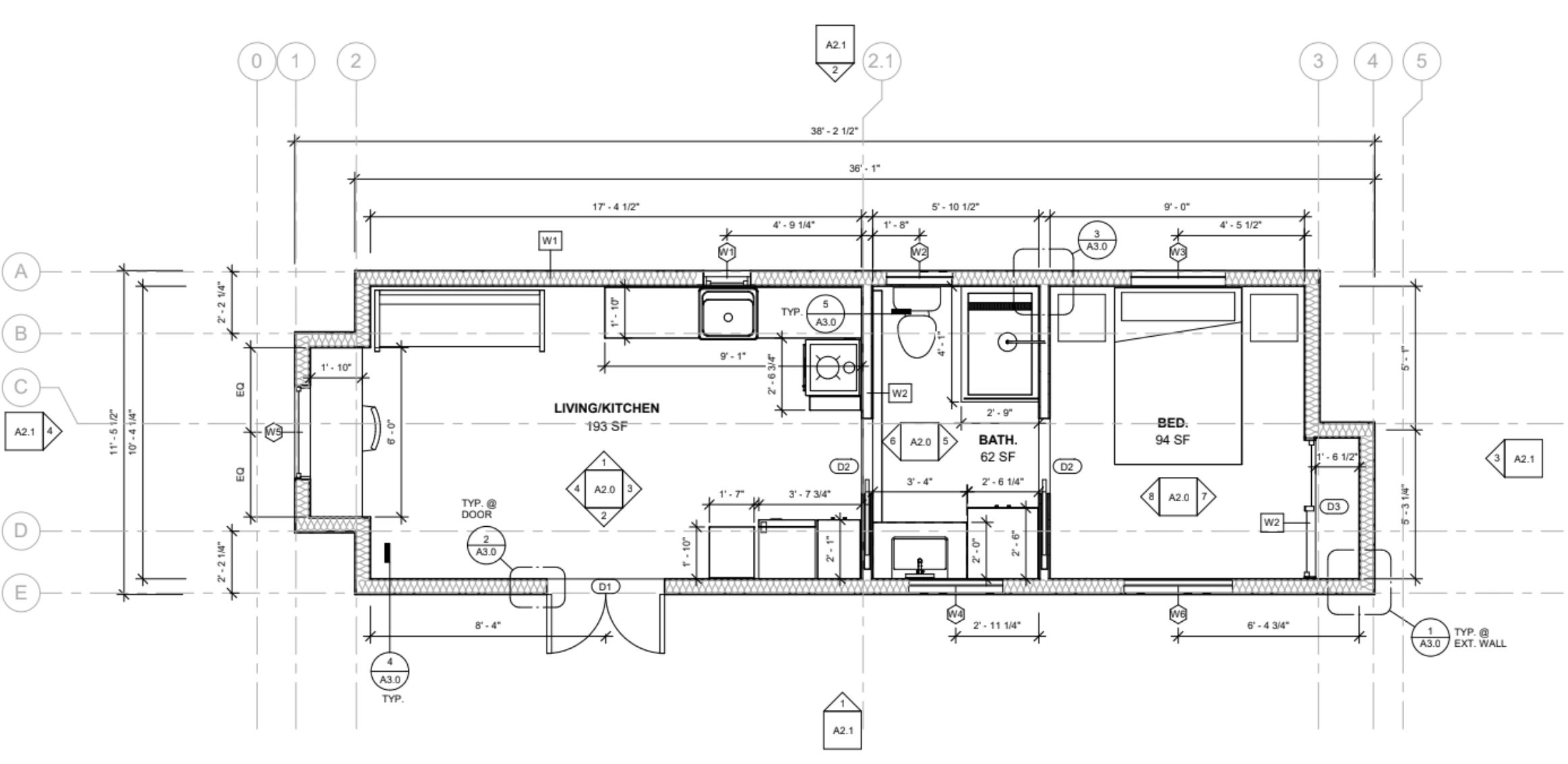
- 1 bed 1 bath
- 400 sq'
- Double Entry doors
- Bedroom closet
- Dual roof pitches
- Standard Appliances: stove, hood vent, refrigerator, dishwasher, washer dryer connections
- Exceptional Anlan dual pane, all tempered windows
- Ship lap or smooth panel interior
- Combination 26 ga. standing seam metal and wood look exterior siding; fully metal wrapped fascia for no ongoing maintenance
- Build Science: Zip System shear wall and roof decking, 2" closed cell spray foam ceiling cavity, plus added insulation.
- Upgrade options for added cabinetry, entertainment centers, kitchen islands, appliances, all black windows and other aesthetic options.
- CA Title 24 Compliant

THE TESORO
SPECS:
- Starting at $179,900
- 1 bed 1 bath
- 400 sq'
- Bedroom closet
- Dual roof pitches
- Standard Appliances: stove, hood vent, refrigerator, washer dryer connections
- Anlan dual pane, all tempered windows
- Ship lap or smooth panel interior
- Combination 26 ga. standing seam metal and wood look exterior siding; fully metal wrapped fascia. Variety of Aesthetics available.
- Build Science: Zip System shear wall and roof decking, 2" closed cell spray foam ceiling cavity, plus added insulation.
- Upgrade options for added cabinetry, entertainment centers, kitchen islands, appliances, all black windows and other aesthetic options.
- CA Title 24 Compliant
Summit Floorplan